Manta Point Nusa Penida
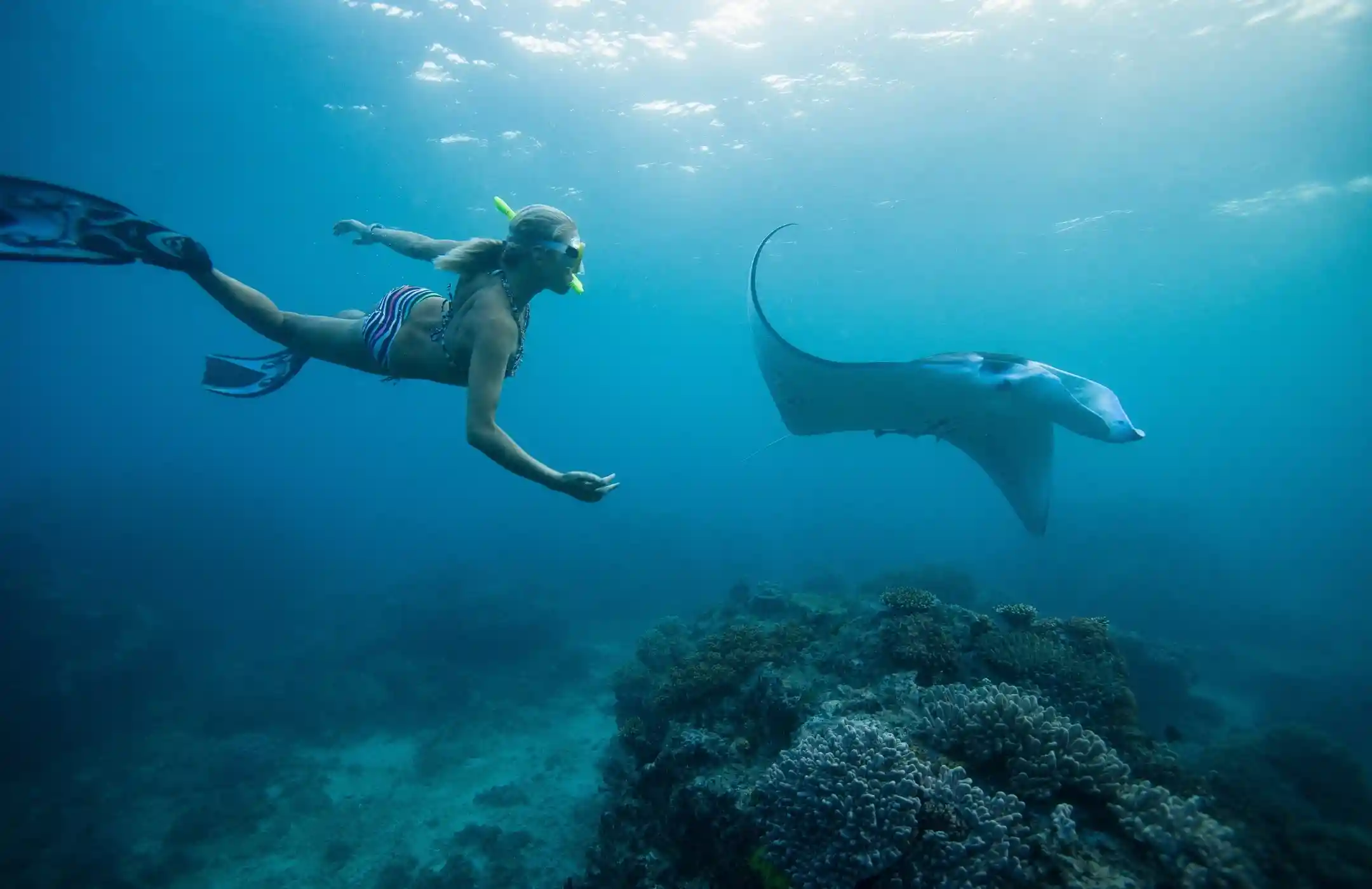
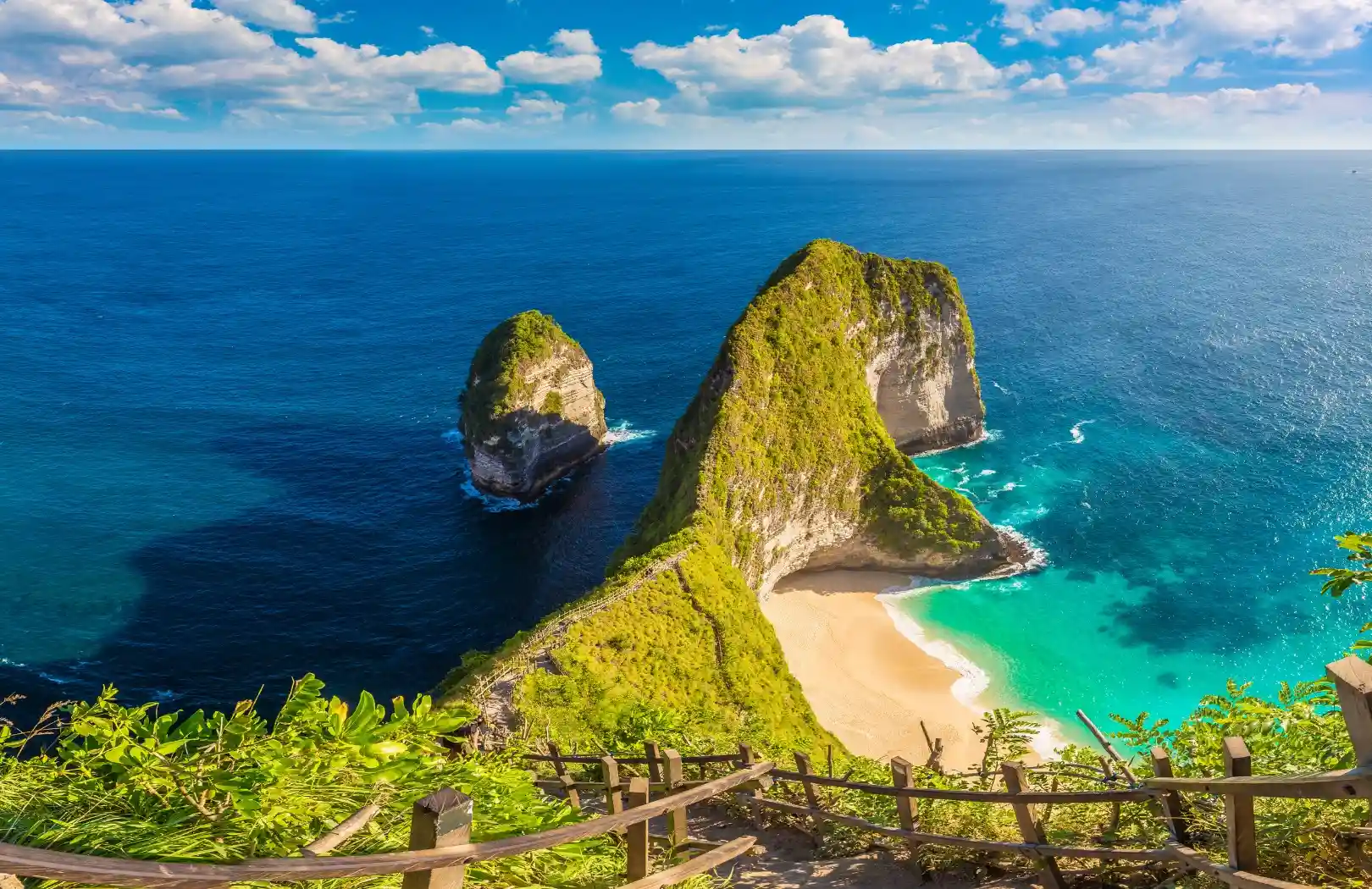
Manta Point is one of the most remarkable experiences to enjoy during a stay in Nusa Penida. Set in the waters off the island’s dramatic southern coastline, this marine area is known for the chance to see graceful reef manta rays gliding through the open blue water. For many travellers, it is not simply another stop on a sightseeing itinerary. It is a quiet, humbling moment in nature—one that stays with you long after the boat ride back to shore.
From Casa LiMá Penida, a visit to Manta Point is best planned as a guided snorkeling or diving experience. The journey takes guests away from the slower rhythm of Suana and into a different side of the island: deep blue seas, limestone cliffs, fresh ocean air, and the possibility of sharing the water with one of the ocean’s most elegant creatures. It is an experience that combines adventure with appreciation for the natural world that makes Nusa Penida so special.
What Makes Manta Point Special?
Manta Point is named for the reef manta rays that are frequently seen in its waters. These gentle giants are known for their wide wingspan, calm movement, and unmistakable presence beneath the surface. Watching one move through the sea can feel almost effortless. It glides rather than rushes, often circling slowly before disappearing into the blue.
Unlike a staged wildlife attraction, every encounter here is completely natural. The manta rays are free to come and go, and sightings can never be promised. That uncertainty is part of what makes the experience meaningful. On a fortunate day, guests may see several mantas moving through the area. On another day, the sea may offer a different kind of beauty: changing shades of blue, tropical fish, rocky coastal scenery, and the simple excitement of being out on the water.
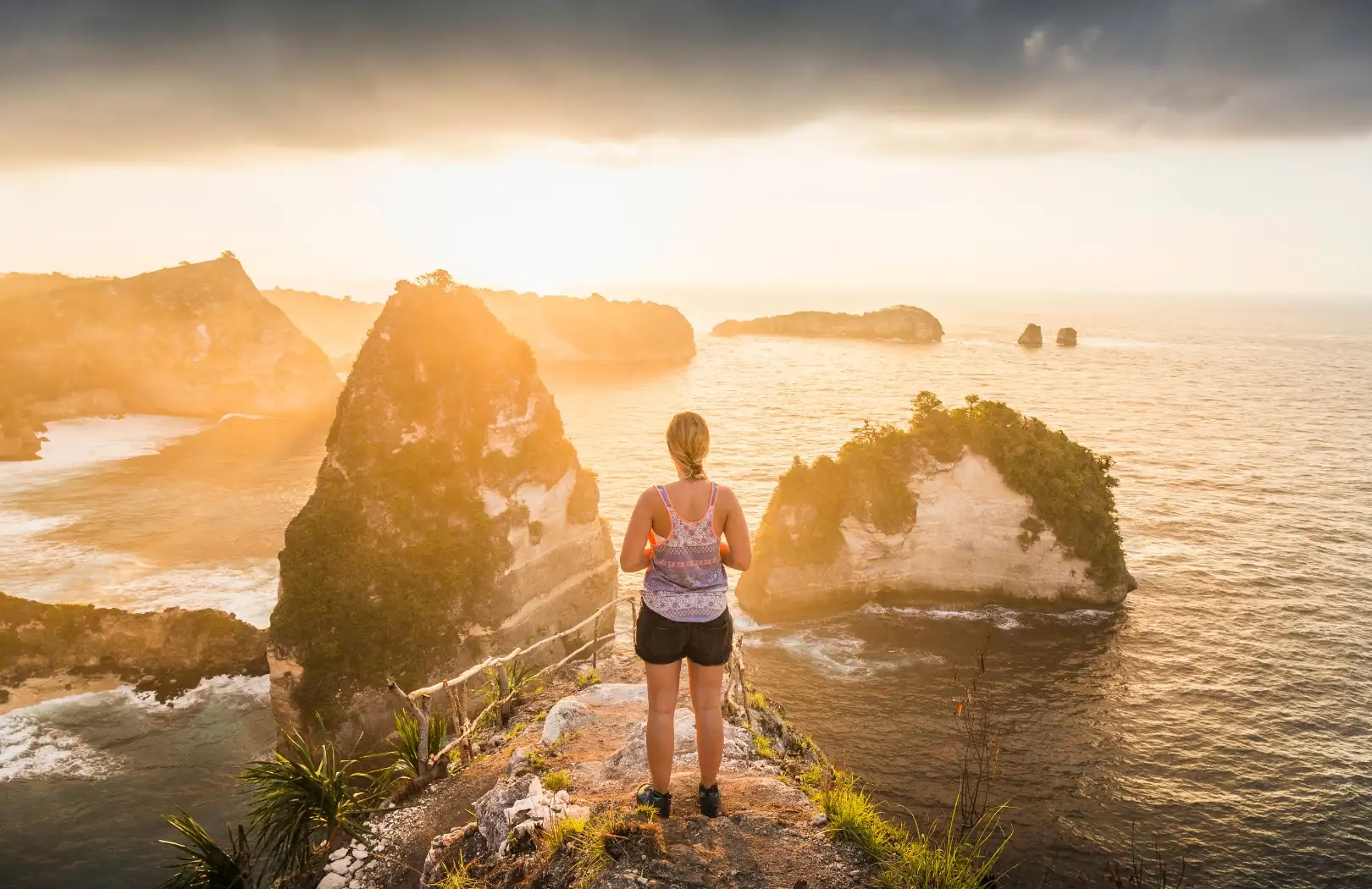
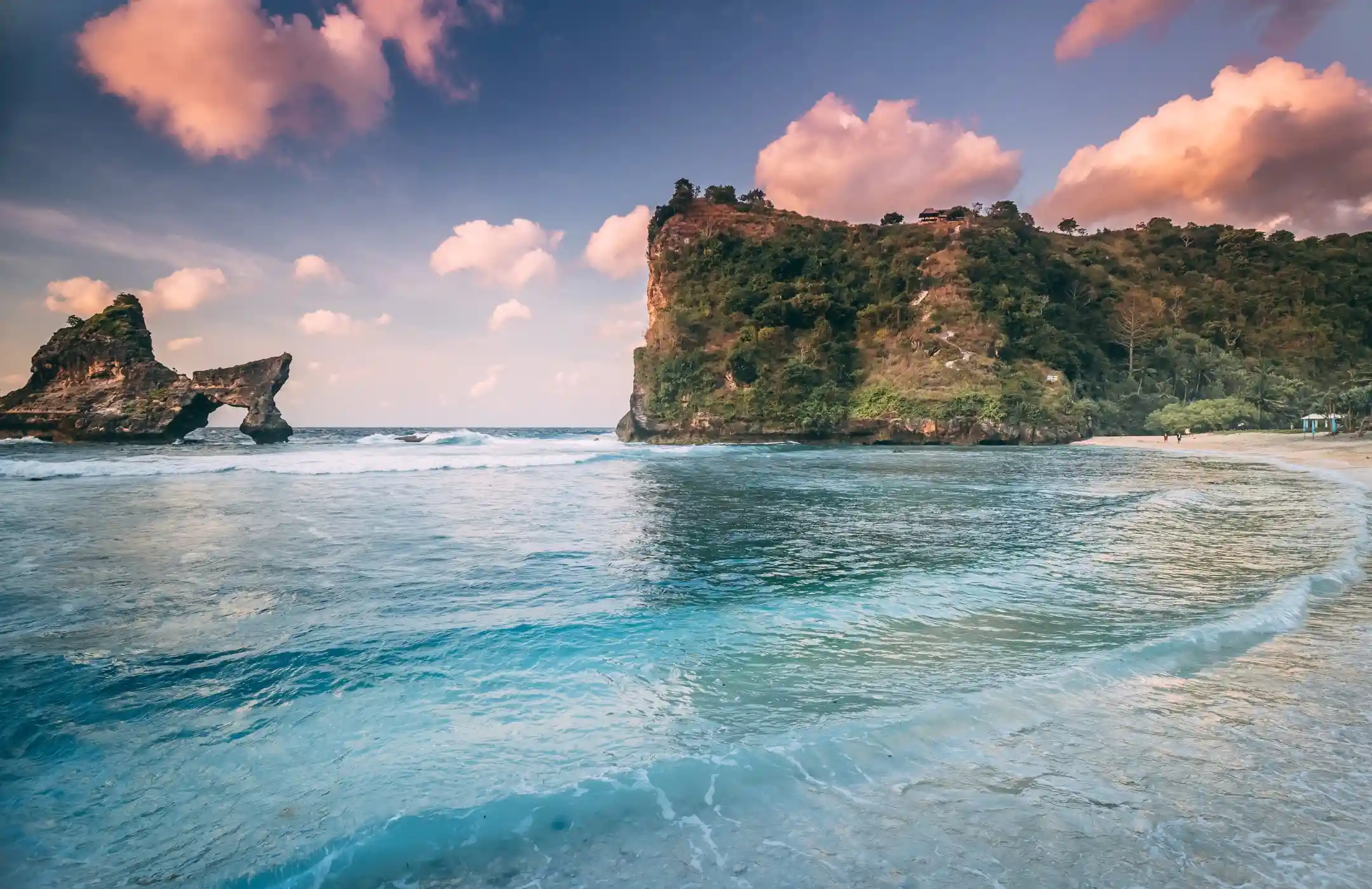
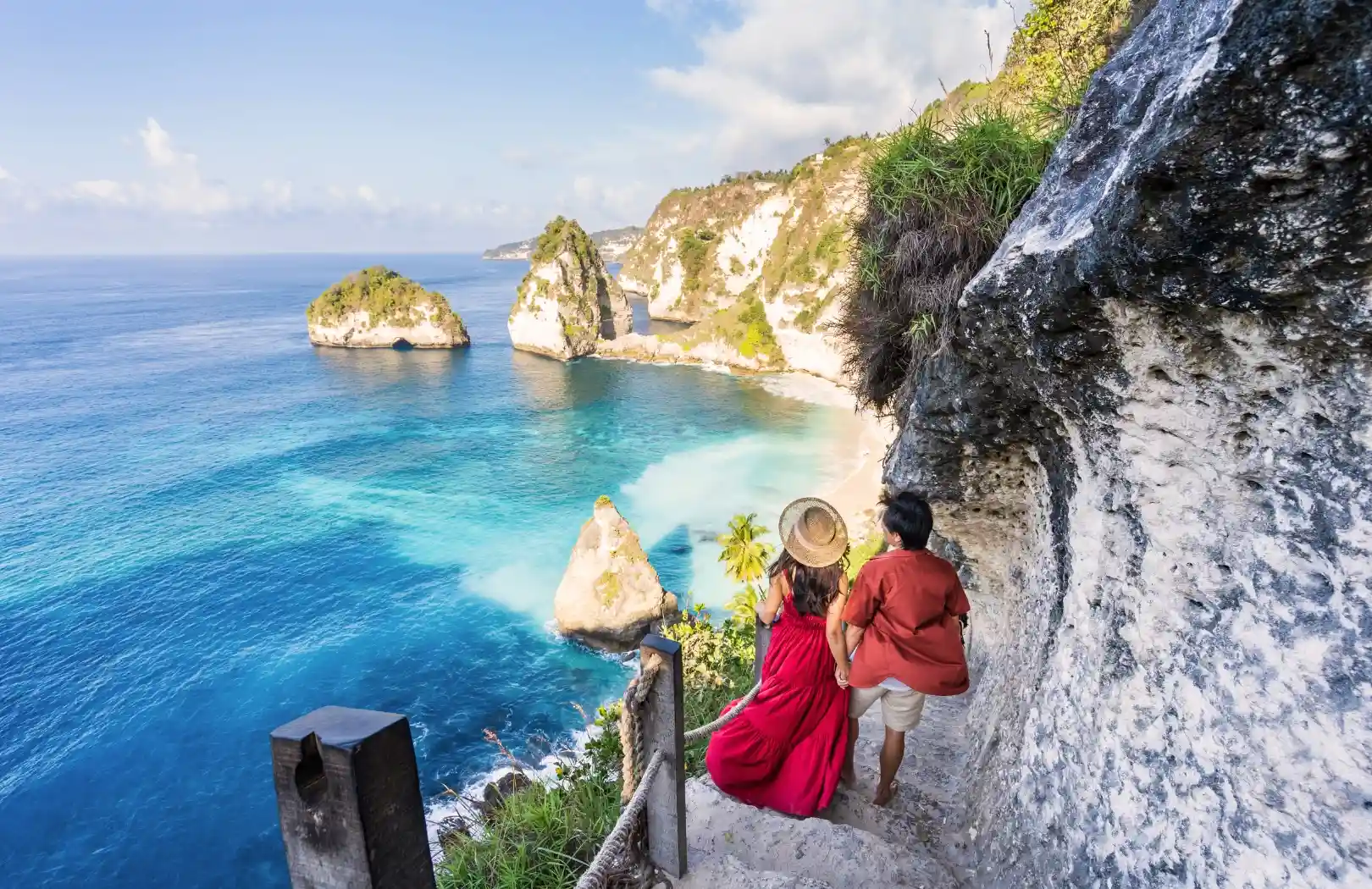
Manta Point also offers a deeper perspective on Nusa Penida. While the island is famous for dramatic cliffs and iconic beaches, its surrounding ocean is equally important. The waters are part of a rich marine environment that supports coral reefs, fish life, turtles, and large marine species. A respectful visit to Manta Point is a chance to see this side of the island firsthand.
Snorkeling or Diving at Manta Point
Both snorkeling and scuba diving can offer memorable ways to experience Manta Point, but they feel different.
Snorkeling is ideal for guests who want to observe the water from the surface while wearing a mask, snorkel, fins, and a flotation device. When manta rays come close to the upper part of the water column, snorkelers may be able to see their broad shape and smooth movement below. It can be an accessible choice for confident swimmers who prefer a lighter and more relaxed ocean experience.
Scuba diving offers a longer and more immersive view beneath the surface. Divers may have the opportunity to observe the manta rays at a deeper level, often with a clearer sense of the surrounding reef and underwater landscape. However, diving should only be arranged with a certified and experienced operator, especially for those who are new to the conditions around Nusa Penida.
The best option depends on each guest’s experience, confidence in the ocean, and personal travel style. A reputable operator will assess sea conditions on the day and advise whether a snorkeling or diving plan is suitable. It is always better to choose safety, comfort, and responsible guidance over following a fixed itinerary.
The Best Time to Visit Manta Point
Manta rays can be present in the Nusa Penida area throughout the year, but the exact experience changes from day to day. Weather, currents, swell, water visibility, and boat traffic all influence the conditions. For this reason, there is no single guaranteed “best” day to visit.
Morning departures are often a pleasant choice for guests who prefer cooler temperatures, softer light, and a calmer start to the day. Early trips may also help avoid some of the busier periods on the water. However, local operators will always make the final decision based on real-time marine conditions, not just the clock or season.
It is wise to keep your schedule flexible when planning a Manta Point excursion. Rather than building an entire day around a strict promise of sightings, approach it as an ocean adventure. The manta rays are wild animals, and the sea has its own rhythm. A responsible operator may adjust the route, change the departure time, or select another suitable snorkeling location if conditions are not safe.
A Responsible Way to Meet Manta Rays
The most beautiful manta ray encounter is one that causes the least disturbance. These animals should never be chased, touched, fed, or blocked. Guests should allow the manta rays to choose their own path through the water.
When snorkeling, keep a calm distance and move slowly. Avoid diving down toward the animals or swimming directly in front of them. If a manta ray approaches, remain relaxed and let it pass naturally. This is not only better for the marine life; it also creates a more peaceful and authentic experience for everyone in the water.
Follow your guide’s instructions at all times. They understand the local conditions and can help guests position themselves safely, avoid crowded areas, and respect the movement of the animals. Wearing a life jacket or buoyancy aid is recommended whenever the guide advises it, even for confident swimmers. Ocean conditions can change quickly, and conserving energy allows you to enjoy the experience more comfortably.
Choosing an operator that prioritizes marine safety and respectful wildlife practices also matters. Look for teams that provide clear briefings, maintain proper equipment, limit unnecessary disturbance, and are willing to cancel or reroute a trip when the weather is unsuitable. A good tour is not measured by how close you get to a manta ray, but by how safely and thoughtfully the experience is handled.
What to Bring for Your Manta Point Trip
A little preparation can make the day much more enjoyable. Bring a swimsuit, lightweight cover-up, towel, reef-safe sunscreen, and dry clothes for after the trip. A reusable water bottle is also useful, especially after spending time under the sun and sea breeze.
For guests who are sensitive to movement on boats, consider bringing motion-sickness medication after consulting a medical professional. It is best taken according to the product instructions before departure, rather than waiting until the boat is already moving. Sunglasses and a hat can be helpful on deck, while a waterproof bag or dry pouch will protect your phone and small essentials.
If you plan to take photos, remember that the moment is more important than the image. Underwater visibility, movement, and natural light can be unpredictable. Focus first on watching the manta rays with your own eyes. A few thoughtful photos are enough; there is no need to chase the perfect shot.
Pairing Manta Point with Other Nusa Penida Experiences
A Manta Point trip can be combined with other snorkeling sites, depending on weather conditions and the operator’s route. Many trips include calmer reef areas where guests can look for colorful fish and coral formations after the open-water experience. These combinations can create a balanced day, especially for travellers who want both a chance to see manta rays and time to enjoy gentler snorkeling.
For guests staying at Casa LiMá Penida, it can also be enjoyable to keep the rest of the day slow. After an early ocean departure, return to the villa for a shower, a relaxed lunch, and time beside the shared infinity pool. The contrast between the energy of the sea and the calm ocean views from the villa makes the day feel complete.
Because Casa LiMá Penida is located in peaceful Suana, guests may prefer to plan Manta Point as a dedicated outing rather than trying to combine it with too many land attractions. Giving yourself enough time creates a more comfortable experience and allows for changes to the itinerary if the weather requires them.
A Meaningful Island Memory
Manta Point is not about checking an animal off a travel list. It is about entering the ocean with patience, curiosity, and respect. Seeing a manta ray in its natural environment can remind us how much of Nusa Penida’s beauty exists beyond its cliffs, beaches, and viewpoints.
Some guests will be lucky enough to see mantas circling nearby. Others may return with memories of a bright morning at sea, a dramatic coastline, and the feeling of being part of something much larger than themselves. Both are valuable experiences.
During your stay at Casa LiMá Penida, let Manta Point be an invitation to discover the island from a new perspective. Choose a trusted guide, listen carefully to safety instructions, keep your expectations open, and let the ocean lead the way. The reward is not only the possibility of a manta ray encounter, but a deeper connection to the extraordinary marine world around Nusa Penida.